Gear & Setup
Is a Barbell Worth It for a Home Gym?
Wondering if a barbell belongs in your home gym? Here's what beginners actually need to know before spending the money.
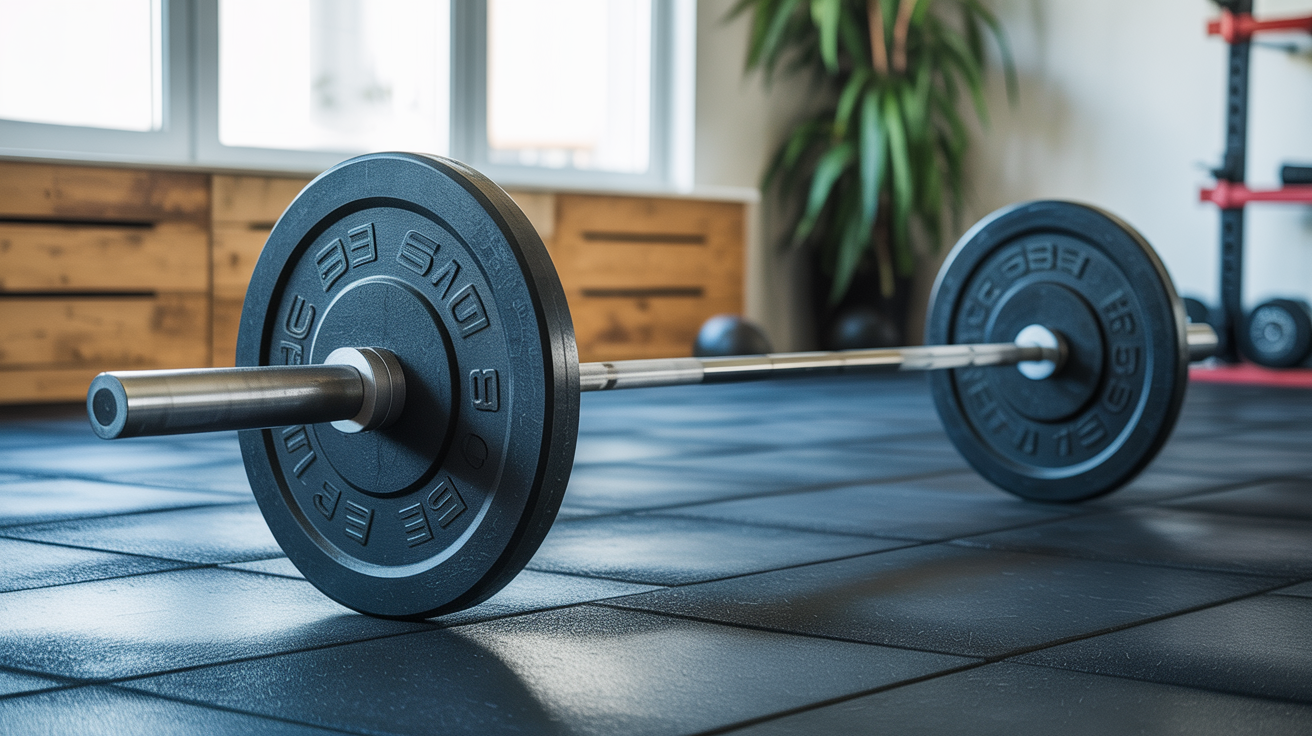
If you are setting up a space to train at home, the barbell question comes up fast. It is a big purchase, it takes up real floor space, and you need plates and a rack to go with it. So is it worth it for someone who is just starting out, or is it the kind of gear that sounds good in theory but collects dust in practice?
The honest answer depends on what you want to do and how seriously you plan to stick with it. A barbell is not required to get strong, but it is one of the most efficient tools for building full-body strength over time. Here is what you need to think through before you buy.
What a Barbell Actually Gives You
A standard Olympic barbell weighs 45 pounds on its own and accepts weight plates that let you increase the load in small steps over months or years. That progressive overload, adding a little weight as you get stronger, is the core mechanic of strength training.
The barbell's main advantage is range. Dumbbells cap out at whatever the heaviest pair you own happens to be. A barbell paired with enough plates can grow with you from your first squat at 45 pounds to a loaded squat two or three years later. You do not outgrow it.
The movements that respond best to a barbell are the ones that build the most general strength: the squat, deadlift, bench press, and overhead press. These are compound lifts that work multiple muscle groups at once. Done consistently with good form, they produce more measurable progress than most alternatives.
The Real Cost of a Barbell Setup
A barbell by itself is only part of the equation. To train safely and usefully, you also need plates and some kind of rack or stand to hold the bar at the right height for squats and pressing. That changes the math considerably.
A basic but solid setup for a beginner might look like:
- A 45-pound Olympic barbell: $150 to $300 depending on quality
- Weight plates (enough to work up to a meaningful load): $150 to $300 for a starter set
- A squat rack or power cage: $200 to $600 for a floor-standing model that is actually stable
That puts you somewhere between $500 and $1,200 to get started, and that range is wide because quality varies a lot. Cheap racks and bars can feel unstable, which matters when you are squatting under load.
If that number feels steep, it is worth comparing it to a gym membership over two or three years. The math often favors the home setup over time, but only if you actually use it. For a deeper breakdown of how to budget the whole thing, see how to build a home gym on a budget.
Barbell vs. Dumbbells for Beginners
Dumbbells are the other common option, and for a lot of beginners they make more sense as a starting point. They are versatile, they do not require a rack, and you can store them in a corner. If you are still figuring out whether you will keep training consistently, a pair of adjustable dumbbells is a lower-stakes investment.
The tradeoff is that dumbbells have a ceiling. You can do a lot with them, including rows, lunges, presses, curls, and Romanian deadlifts, but loading a heavy deadlift or squat with dumbbells gets awkward quickly. The movement patterns are also different enough that heavy dumbbell work is not a perfect substitute for barbell training.
The practical path for most beginners is to start with dumbbells or bodyweight, prove to yourself that you will actually train, and then add a barbell setup once you know it will see regular use. There is no shame in that order. Buying a barbell on day one because it feels like a commitment often leads to an expensive coat rack.
If you are weighing the two options side by side, adjustable dumbbells vs. a set: which should you buy walks through the dumbbell decision in more detail.
When a Barbell Makes Clear Sense
There are situations where a barbell is the right call from the start, or close to it:
You want to follow a structured beginner strength program. Programs like Starting Strength, StrongLifts 5x5, or GZCLP are built around barbell lifts. If you plan to follow one of these, a barbell is not optional. These programs work well because they are simple and the progression is built in.
You have consistent training habits already. If you have been working out regularly for a few months, even with bodyweight or light dumbbells, and you want to take it further, a barbell is the right next step.
You have the space. A squat rack needs ceiling clearance and floor space. A rack plus the bar plus room to move around it comfortably requires more real estate than a dumbbell corner. Measure before you buy.
You are interested in getting stronger over the long term, not just fit for a season. The barbell is a long-game tool. If your goal is general fitness or staying active, bodyweight and dumbbells may serve you just as well. If you want to build genuine strength as a practice, the barbell is hard to beat.
For a broader look at what gear belongs in a beginner setup, the best home gym equipment for beginners covers the full picture without pushing you toward more than you need.
What to Look for in a Beginner Barbell
If you decide to buy, you do not need a specialty bar. A standard Olympic barbell with a 700-pound or higher weight rating, a moderate amount of knurling (the textured grip pattern), and rotating sleeves is enough to train on for years. Rotating sleeves reduce the torque on your wrists during lifts like the bench press and overhead press.
For a rack, look for something with adjustable J-hooks (the brackets that hold the bar), a stable base, and safety bars or spotter arms at the right heights for squatting. A power cage, which is a four-post rack with a full frame, is more stable than a two-post squat stand but takes up more floor space. Either can work depending on your room.
Used equipment is worth considering. Barbells and plates are durable, and gyms that close or people who move frequently sell good equipment at significant discounts. Check local marketplace listings before buying new.
Frequently Asked Questions
Do I need a barbell to get strong at home?
No. Bodyweight training and dumbbell work can build real strength, especially in the early stages of training. A barbell becomes more valuable as your strength develops and you need heavier loads to keep progressing. If you are starting from zero, you can make solid progress without one.
Is a 300-pound weight set enough for a beginner?
Yes, for most beginners a 300-pound plate set is more than enough to last a year or two of consistent training. The main lifts for beginners do not require extreme loads to be effective. You can always add more plates later as your numbers grow.
Can I do a full workout with just a barbell and no rack?
You can do deadlifts and floor presses without a rack, but squats and overhead presses become difficult or unsafe without a way to unrack the bar at the right height. If you go the barbell route, budget for at least a basic rack.
How much space does a home barbell setup require?
A standard Olympic barbell is 7 feet long. Add a squat rack and room to step back and move around it, and a reasonable minimum is about 8 feet wide by 8 feet deep with at least 8 feet of ceiling clearance for overhead pressing. Measure your space carefully, including the ceiling, before buying.
Is a used barbell safe to train with?
Generally yes, as long as you inspect it. Check that the sleeves still rotate smoothly, that the bar is not visibly bent, and that there is no deep rust on the shaft. Surface rust is cosmetic and can be cleaned off. A bent bar or seized sleeves are reasons to pass.