Mobility & Recovery
How to Avoid Injury as a Beginner Lifter
Practical injury prevention tips for beginner lifters: warm up right, nail your form, progress slowly, and know when to back off.
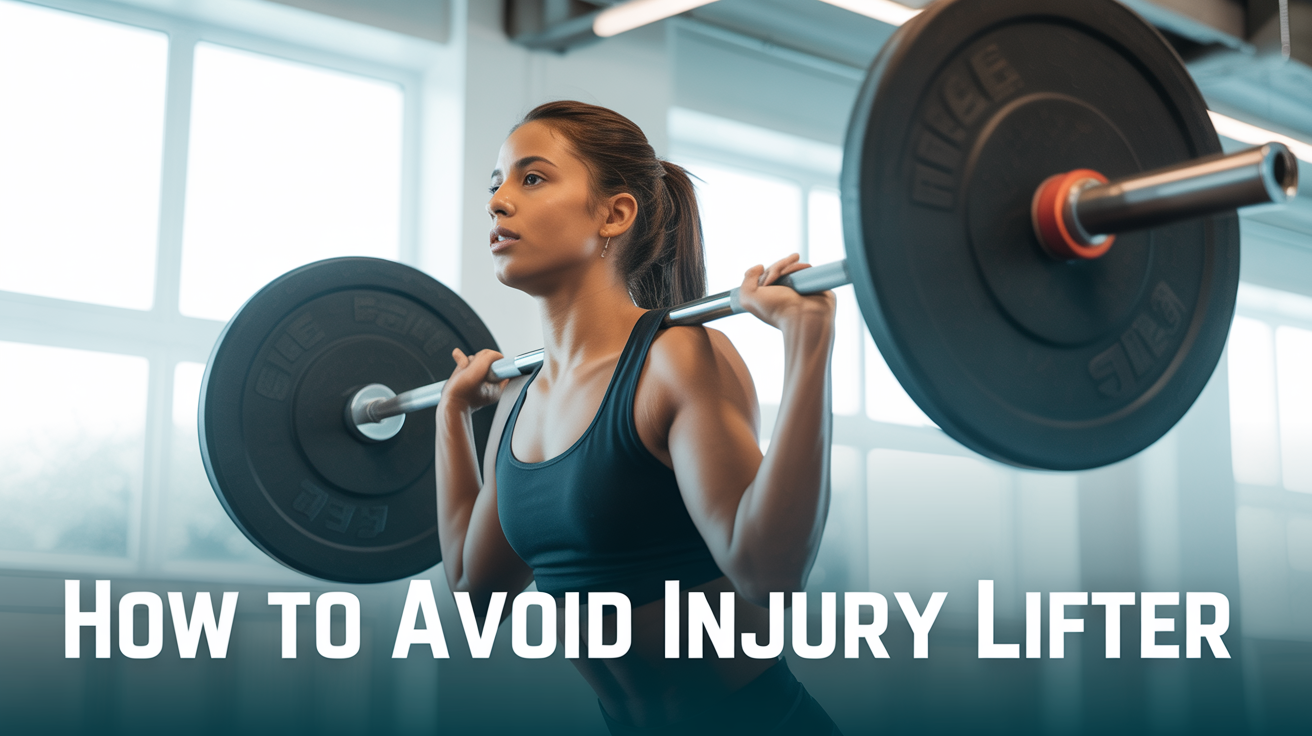
Getting hurt is one of the most common reasons people quit lifting in their first few months. A tweak here, a pulled muscle there, and suddenly the gym stops feeling like progress and starts feeling like punishment. The good news is that most beginner injuries are preventable, and they almost always trace back to a small handful of fixable habits.
This guide covers the practical steps that will keep you training consistently. None of this is complicated, but it does require slowing down at the start, which can feel frustrating when you are eager to move weight. Think of injury prevention not as a limitation, but as the thing that lets you actually keep showing up week after week.
Start Lighter Than You Think You Need To
This is the single most useful thing a new lifter can do. When you do not yet know a movement well, adding heavy weight on top of unfamiliar mechanics is how things go wrong.
A few principles worth building in from day one:
- Pick a weight you can control. If you are grinding out reps with poor form or holding your breath through the whole set, the weight is too heavy.
- Leave reps in the tank. Beginners do not need to train to failure. Stopping a set when you still have two or three reps left is smart, not weak.
- Add weight slowly. A five-pound increase on the bar each week is genuine progress. Doubling your squat weight in three weeks is how you get hurt.
Your joints, tendons, and ligaments adapt to load more slowly than your muscles do. You might feel strong enough to add weight, but connective tissue takes longer to catch up. Respecting that lag is what keeps you healthy over months and years, not just a single session.
Warm Up Before Every Session
Jumping straight into working sets cold is one of the fastest ways to strain something. A proper warm-up raises your body temperature, gets blood moving into the muscles you are about to use, and rehearses the movement patterns at low intensity before load goes on the bar.
You do not need a long or complicated warm-up. A few minutes of light movement, some joint rotations, and two or three warm-up sets of the main lift at a fraction of your working weight will do the job.
For a deeper look at exactly how to structure this, check out how to warm up before a workout. The short version: do not skip it, even on days when you are short on time.
Prioritize Form Over Everything Else
Poor form is the underlying cause of most lifting injuries. Common patterns include letting the lower back round during a deadlift, letting the knees cave inward during a squat, or using momentum and body swing to complete a curl.
A few ways to build better form habits:
- Record yourself occasionally. Your perception of your own form is often very different from reality. A quick phone video from the side can reveal things you cannot feel.
- Use a mirror or get a second set of eyes. If you are training at a gym, most coaches or experienced lifters will watch a set if you ask.
- Break the movement down. If you are struggling with a lift, practice with just the bar or even just your bodyweight. Nail the pattern before you add weight.
- Stop a set if something feels wrong. Sharp pain, joint clicking with pain attached, or a sudden unexpected sensation are signals to stop and assess, not to push through.
If you are dealing with an existing injury or have joint problems, talk to your doctor or a physical therapist before adding load to that area. General fitness guides, including this one, are not a substitute for professional evaluation.
Build in Rest and Do Not Skip Recovery
Injuries often happen when people are overtrained, under-rested, and training through accumulated fatigue. More sessions per week is not automatically better, especially when you are just starting.
Two or three full-body sessions per week with at least one rest day between them is enough for beginners to make solid progress. Your muscles grow and get stronger during recovery, not during the workout itself.
How important are rest days? A beginner's guide breaks down exactly why rest is a non-negotiable training tool, not an excuse to slack. The short answer: skipping rest does not make you tougher, it just makes you slower to adapt and easier to injure.
On top of rest days, pay attention to sleep. Poor sleep increases perceived effort and reduces coordination, both of which make sloppy form more likely.
Manage Soreness Intelligently
There is a difference between normal post-workout soreness and pain that signals something is wrong. Normal delayed onset muscle soreness (DOMS) feels like a dull, widespread achiness that peaks around 24 to 48 hours after a session and fades on its own over a day or two.
Pain that is sharp, localized to a joint, present during movement, or lingers more than four to five days is a different situation and worth paying attention to.
A few practical approaches to managing soreness:
- Stay active on rest days. Light walking or gentle movement helps reduce soreness better than complete stillness.
- Do not train a muscle group that is severely sore. Some overlap is fine, but hammering already-damaged tissue delays recovery.
- Stay hydrated and eat enough protein. Both matter more than most beginners realize.
For more detail on this, how to deal with muscle soreness (DOMS) covers what is normal, what helps, and when soreness is a signal to back off.
Frequently Asked Questions
Is it normal to feel some discomfort when starting to lift?
General muscle fatigue and mild soreness after a session are normal. Sharp pain, joint pain, or pain that does not go away after a few days are not normal and should be evaluated by a healthcare professional. If you are unsure whether what you are feeling is normal soreness or something more serious, err on the side of caution and check with a doctor.
How do I know if my form is good enough to add weight?
A rough rule: if you can perform every rep of a set with control, at a tempo you could hold a conversation through, with no compensation patterns you can see on video, your form is probably solid enough to progress. If you are struggling to keep your back flat, your knees tracking your feet, or your hips from shooting up on a squat, stay at the current weight until the pattern is clean.
Should I train through soreness?
Mild soreness is generally fine to train through, especially if it eases up once you are warmed up. Severe soreness that limits your range of motion or is painful to the touch is a sign to take another day. Never train through pain at a joint.
What is the most common beginner lifting mistake that leads to injury?
Adding weight too quickly is the most common culprit. Beginners often feel strong after a few weeks and jump the load up faster than their joints and tendons can adapt. Consistent, gradual progression beats aggressive loading every time.
Do I need to see a trainer to lift safely?
Not necessarily, but even one or two sessions with a qualified coach early on can pay off significantly. Having someone watch your form on the foundational lifts and give you feedback before habits are locked in is one of the most efficient investments a beginner can make. Look for a certified personal trainer or strength coach with experience working with beginners.